A Final That Brings Opposites Together
Some rivalries are built on similarities.
India and New Zealand are the opposite.
One represents the largest cricket ecosystem in the world.
The other thrives despite limited numbers and resources.
Yet somehow, these two teams keep finding each other in ICC knockout matches.
On Sunday, they will meet again in a grand final — another chapter in a rivalry shaped by contrast.
India: A Cricketing Giant With Endless Depth
Indian cricket operates on a scale that few nations can imagine.
For every player who breaks into the national team, hundreds fall short.
The Board of Control for Cricket in India (BCCI) oversees an enormous talent pipeline, ensuring the country is rarely short of elite players.
The results speak for themselves.
India are about to play their fifth ICC men’s white-ball final in 11 years.
Even rival players acknowledge the sheer depth of Indian cricket.
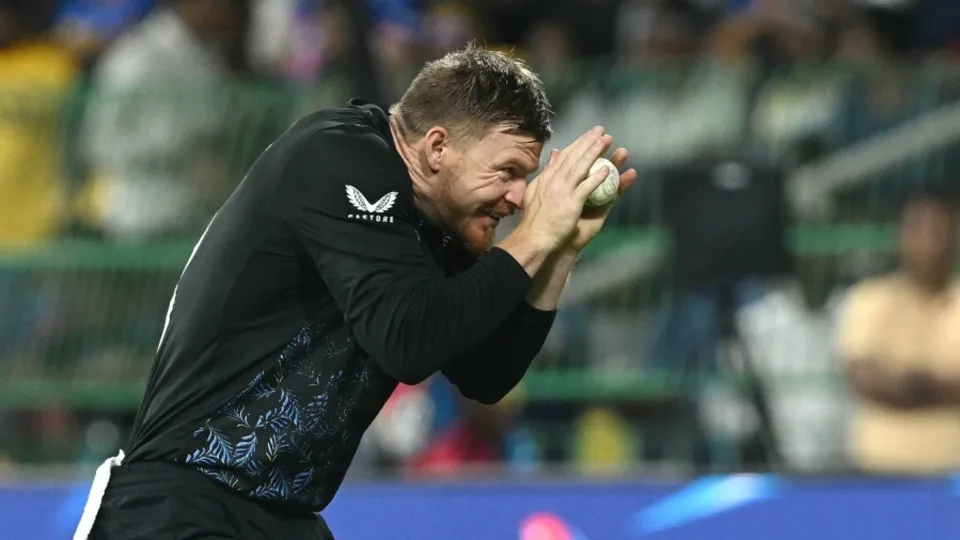
New Zealand star Glenn Phillips summed it up perfectly:
India could probably field three different teams capable of competing in a World Cup.
India’s domestic ecosystem also fuels this dominance.
Major tournaments like the Indian Premier League and regional competitions produce a constant flow of talent.
For example:
- Varun Chakravarthy emerged from the Tamil Nadu Premier League
- Shivam Dube developed through the Mumbai T20 League
This deep pipeline means India always has options — even at the highest level.
New Zealand: Small Nation, Big Cricketing Heart
New Zealand’s cricket system could not be more different.
The country has a population smaller than many Indian cities.
Rugby dominates the national sporting identity.
Even Kane Williamson once admitted that many Kiwi kids grow up dreaming of becoming All Blacks rather than cricketers.
Yet New Zealand still compete with the world’s best.
How?
Smart development.
The New Zealand Cricket system focuses on nurturing versatile athletes rather than pushing early specialization.
Young athletes often play multiple sports before committing to cricket.
This philosophy produces well-rounded competitors capable of handling pressure.
Innovation Behind the Scenes
New Zealand’s smaller system demands creativity.
At their High Performance Centre in Lincoln, New Zealand, cricket authorities use advanced training techniques to overcome environmental challenges.
Winters are harsh and often unsuitable for outdoor practice.
So facilities include:
- Indoor training marquees
- Specialized growth lamps to maintain grass surfaces
- Controlled practice conditions
All designed to keep players developing year-round.
The Power of Sporting Culture
New Zealand athletes grow up immersed in multiple sporting influences.
For example:
- Daryl Mitchell is the son of a former All Blacks coach.
- Several players have backgrounds in athletics or other sports.
This diversity creates mental resilience — a hallmark of the Black Caps.
Phillips believes culture plays a huge role in their success.
Despite the country’s small population, preparation and team unity keep them competitive globally.
India’s Approach: Managing the Pressure
While New Zealand battle resource limitations, India face a different challenge.
Pressure.
Indian players live under intense public scrutiny, especially since many are superstars of the Indian Premier League.
To manage this, the team now uses sports psychologists and mental conditioning programs to help players cope with expectations.
It’s part of a broader effort to maintain consistency at the highest level.
Different Pathways to the Same Stage
New Zealand players often gain experience through global franchise leagues.
In the lead-up to the tournament, several Black Caps featured in competitions worldwide:
- Big Bash League
- ILT20
- Bangladesh Premier League
- SA20
These leagues provide valuable exposure to varied conditions.
Meanwhile, India largely develops players within its own massive domestic structure.
Two systems.
Two philosophies.
Yet both have delivered another World Cup final appearance.
The Stakes in This Final
India’s journey to the final has been remarkable.
They reached the title match after winning 14 of their last 15 T20 World Cup games.
A victory would be historic:
- No host nation has won the T20 World Cup before.
- No champion has successfully defended the title.
New Zealand’s path, meanwhile, reflects their resilience.
When injuries struck, they even called up Cole McConchie, who had not played international cricket for two years — and placed him straight into the lineup.
The Beauty of the Contrast
India’s system is built on scale.
New Zealand’s system is built on efficiency.
But cricket’s greatest tournaments have a way of bringing these contrasting philosophies together.
On Monday morning, players from both teams could wake up as world champions.
And that’s the beauty of the game.