

Focus keyphrase: Dickie Bird umpire
Slug: dickie-bird-umpiring-legend-remembered
Meta title: Dickie Bird, iconic cricket umpire, dies aged 92
Meta description: Harold “Dickie” Bird, Yorkshire’s beloved umpire who stood in 66 Tests and 69 ODIs, has died aged 92, leaving a legacy of fairness, humour, and grace.
A life in white that transformed cricket’s spirit
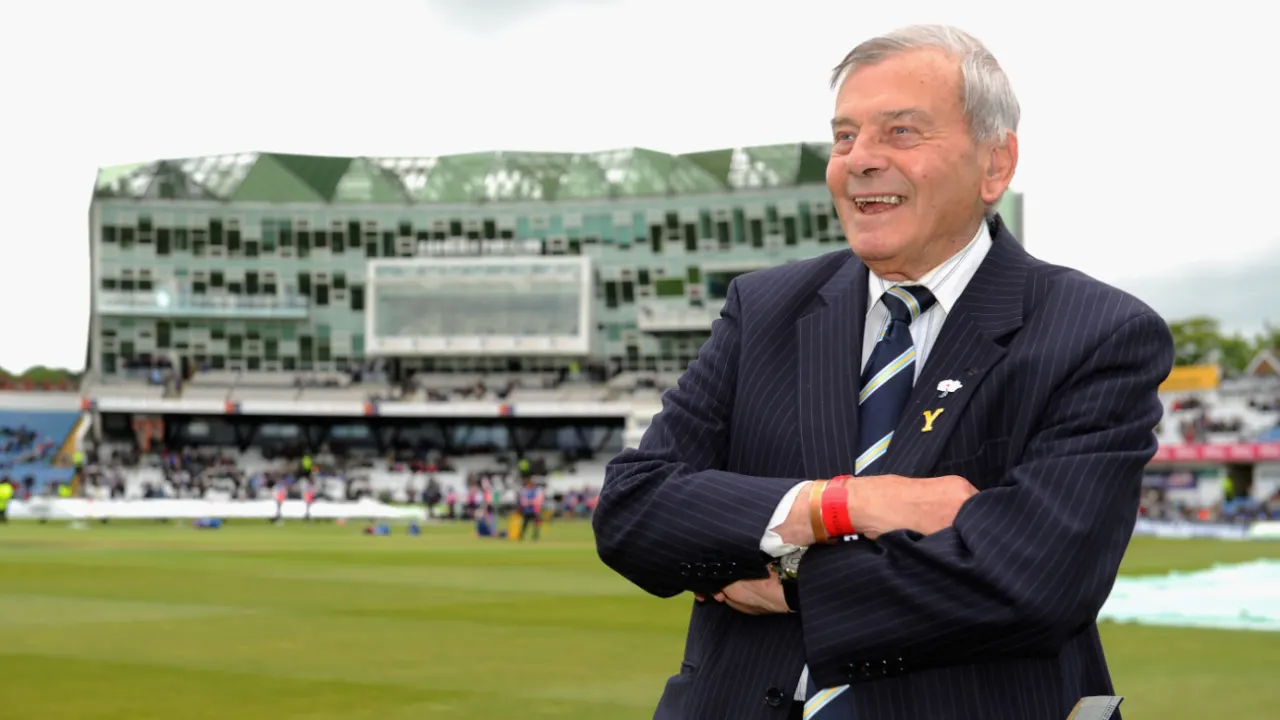
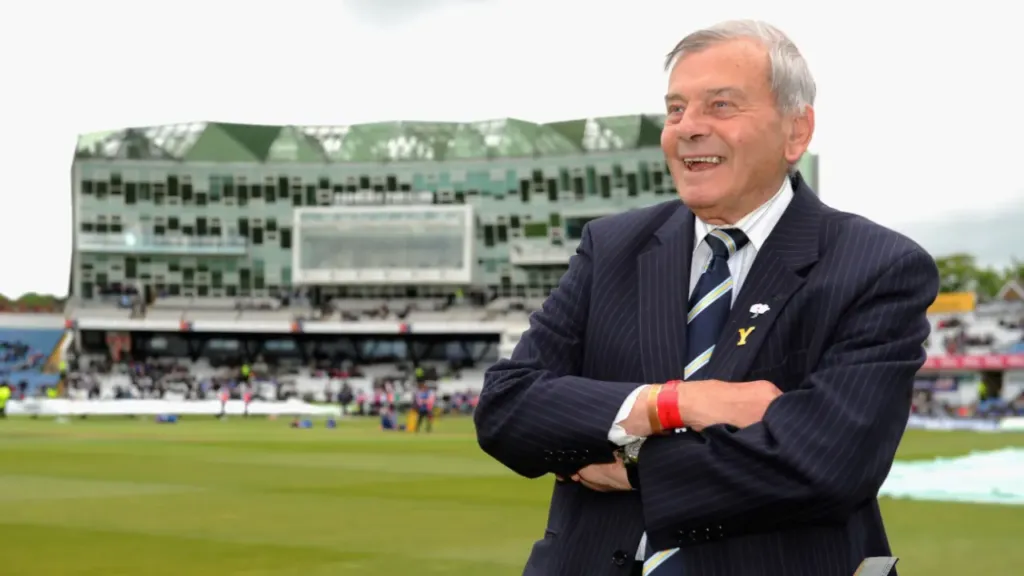
Harold “Dickie” Bird, universally cherished for warmth, wit, and unwavering fairness, has died aged ninety-two, and the game he served feels smaller today.
Moreover, he retired in 1996 after a towering international career of 66 Test matches and 69 ODIs, including three Cricket World Cup finals, achievements that cemented global admiration.
Additionally, Bird’s bond with Yorkshire ran deep, as he began as a top-order batter in 1956 and later served as Yorkshire president in 2014, nurturing county pride.
Furthermore, his early playing days yielded 93 first-class matches at 20.71, with two centuries and a finest 181 against Glamorgan in 1959*, showcasing crisp technique and resolve.
However, a knee injury curtailed his batting after a move to Leicestershire in 1960, and an unexpected doorway to umpiring opened in 1970, redirecting destiny with perfect timing.
The making of a folk hero in the middle
From his May 1970 debut, Bird’s quirks became folklore, and his anxious punctuality produced tales that teammates and spectators retold with affectionate laughter for decades.
For example, arriving at The Oval at 6am for an 11am start, he was famously found scaling a locked gate, because being late simply wasn’t an option.
In addition, he often delayed the lbw finger, preferring benefit of the doubt, and many modern reviews might have overturned him, yet players prized his consistency deeply.
On his final Test at Lord’s—England versus India—emotion welled as a guard of honour greeted him, and he promptly gave Mike Atherton lbw in over one, smiling ruefully.
Likewise, during Old Trafford 1995, Bird briefly halted play for excess sunlight reflecting off a greenhouse, proving that safety and fairness always outranked theatre and noise.
Then, as Atherton later wrote, Bird dropped the marbles he used to count balls, and his cry—“I’ve lost me marbles!”—became a timeless, gently comic cricketing legend.
Practical jokes, thick friendships, and a generous heart
Cricket’s pranksters loved him, and Ian Botham and Allan Lamb staged capers that Bird absorbed with twinkling eyes, because good humour stitched dressing rooms together beautifully.
On one day, Lamb’s brick-style mobile rang in Bird’s coat after Botham dialled from the pavilion, and a startled message was delivered with perfect deadpan timing mid-over.
Meanwhile, Bird cherished Barnsley roots, shared early teams with Michael Parkinson, and forged a lifetime friendship with Geoffrey Boycott, whose tribute blended affection and respect elegantly.
Accordingly, Boycott remembered a teenage awe at Barnsley, called Bird a technically sound batsman, admitted nerves sometimes intruded, and hailed the umpire as absolutely brilliant worldwide.
Consequently, players admired his firmness and fairness delivered with humour, and that rare combination turned match management into art while protecting cricket’s spirit through competing storms.
Honours, statues, and a legacy bigger than numbers
In 2009, Barnsley unveiled a bronze statue on Church Lane with finger raised, and the plinth had to be heightened because fans kept hanging items playfully.
Moreover, national honours followed steadily—MBE in 1986 and OBE in 2012—recognising service that elevated cricket, communities, and countless afternoons shaped by his steady presence.
Notably, Bird’s final first-class match came in 1998 at Headingley—Yorkshire versus Warwickshire—closing a career that spanned eras while retaining humanity at its thoughtful core.
Subsequently, Yorkshire stated he died peacefully at home and emphasised the immeasurable joy, humility, and sportsmanship he brought to generations across counties and continents respectfully.
Ultimately, he leaves admirers everywhere, and the white coat feels lonelier without him, yet his standards remain a compass for umpires who follow that well-worn path.
Fast facts: Dickie Bird at a glance
Consequently, the key milestones below summarise a singular life in cricket that blended precision, empathy, and a showman’s timing without sacrificing fairness or dignity.
- Born: 1933, Barnsley, Yorkshire, England, where early football dreams faded after knee cartilage surgery at fifteen yet resilience quietly strengthened.
- Playing career: Yorkshire and Leicestershire batter, 93 FC matches, 2 centuries, HS 181*, average 20.71, and a reputation for sound technique under pressure periods.
- Umpiring debut: 1970, rising swiftly to global appointments across Tests and ODIs, and building trust among captains who valued clarity under strain.
- Internationals: 66 Tests, 69 ODIs, 3 World Cup finals, with a reputation for calm authority, clear signals, and meticulous attention to conditions and safety.
- Honours: MBE (1986), OBE (2012); Yorkshire president (2014); Barnsley statue (2009), finger raised, immortalising his silhouette in bronze for future generations.
Why fans and players trusted him
Firstly, he communicated decisively, explained where necessary, and de-escalated flashpoints before tempers hardened, because empathy often solves what rules alone cannot address.
Secondly, he kept preparation obsessive—arriving early, checking sightscreens, and scanning backgrounds—so players sensed fairness was actively protected rather than passively assumed.
Thirdly, he balanced the benefit of the doubt with game flow, accepting that imperfection exists while ensuring consistency, which ultimately builds credibility under scrutiny always.
Finally, humour softened edges, stories lightened days, and an umpire became a friend without surrendering authority, because respect earned through kindness lasts longest.
FAQs about Dickie Bird
Why was Dickie Bird so respected by players and fans?
Because he combined consistent decision-making, human warmth, and meticulous match management, trust accumulated naturally and endured beyond individual controversies or outcomes.
Did he really stop a Test for sunlight glare?
Yes, at Old Trafford in 1995, excessive glare off a greenhouse affected visibility, and play was paused briefly to preserve safety and fairness.
What is the marbles story everyone quotes with a smile?
He used marbles to count deliveries, dropped them mid-match, and declared he’d lost his marbles, turning a mishap into classic cricketing folklore instantly.
How will Yorkshire remember him?
Through the Barnsley statue, the presidency service, and a county’s gratitude, his legacy remains woven into club culture, volunteer spirit, and junior pathways.
Final word
In the end, Bird showed that authority can be humane, rules can be compassionate, and cricket can be firmer and kinder at precisely the same time.
https://www.espncricinfo.com/story/harold-dickie-bird-umpiring-great-dies-aged-92-1504176

